Heads up: some links on this page are affiliate links (Stay22, Viator, GetYourGuide). If you book through them we may earn a commission at no extra cost to you. It never changes what we recommend. How this works.
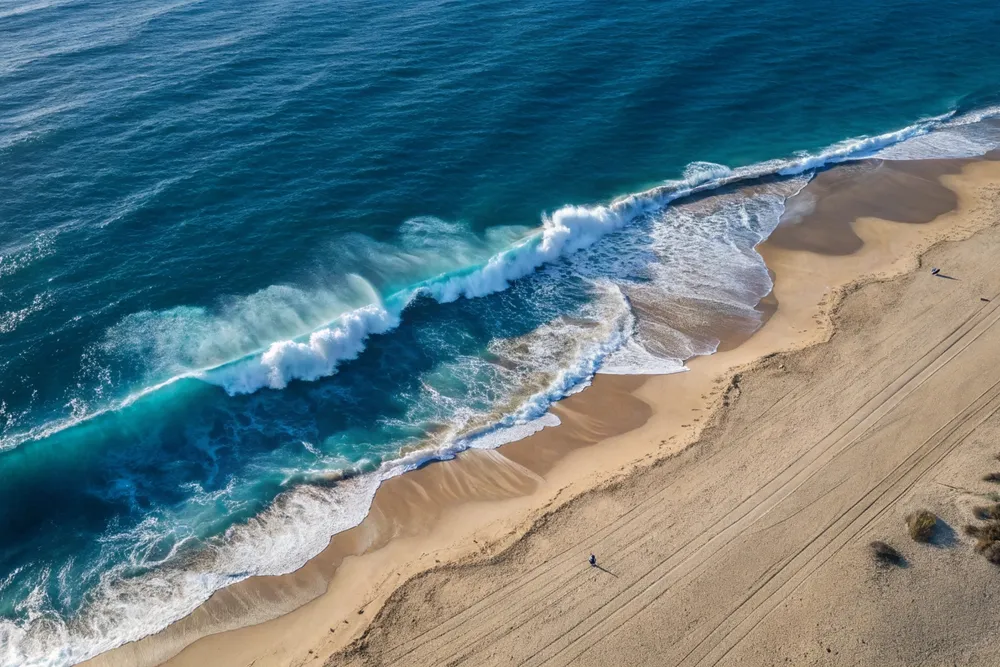
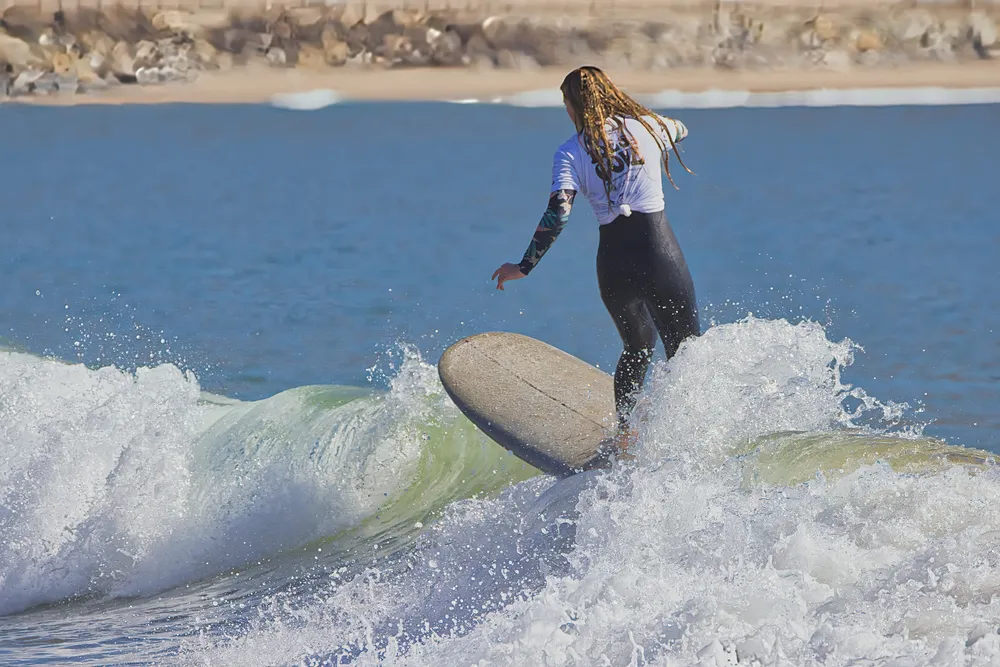
Yes, you can surf in Cabo. The easiest choices for most visitors are Costa Azul’s Old Man’s and Playa Cerritos for learning, while Zippers, The Rock, and Monuments are better suited to surfers who can handle fast waves, reefs, or rocks. South swells generally favor the Cabo area in summer; winter northwest swells can make Cerritos and parts of the Pacific coast the better bet.
When is the best time to surf in Cabo?
For Costa Azul and other breaks near San José del Cabo, plan around south and southwest swells from late spring through early fall. GoVisit Cabo identifies June through October as the main window, with July through September typically bringing the most consistent and powerful surf near San José del Cabo. Surfline lists May through September as the prime season and notes that early mornings often have lighter winds before the afternoon sea breeze picks up. GoVisit Cabo and Surfline’s Los Cabos guide cover those seasonal patterns.
Winter is not a complete write-off. Cerritos on the Pacific side can pick up northwest swell from November to April, and Monuments is listed as a winter option when west or northwest swell lines up. Cabo itself has limited exposure to North Pacific swell, so a winter trip is less predictable at the southern breaks. Spring and fall are transition seasons: you may find surf, but the swell direction matters more. KnowCabo’s spot guide describes the seasonal windows for Cerritos, Costa Azul, and Monuments.
In summer, check the forecast early in the day. Surfline says afternoon west winds can spoil conditions at some spots, and tropical systems can bring both surf and storm risk. For trip timing beyond the surf forecast, see our month-by-month Cabo guide.
Where should you surf in Cabo?
Here’s the useful short list. “Cabo” surf spots aren’t all in Cabo San Lucas itself: Costa Azul is by San José del Cabo, while Cerritos is farther north on the Pacific coast. Monuments is the closest of these named breaks to Cabo San Lucas, but it is not a beginner wave.
| Break | Best for | Season and what to expect |
|---|---|---|
| Old Man’s, Costa Azul | Beginners to intermediate surfers | A gentler right-hand wave; summer south swells favor the area. Surfline’s San José del Cabo guide |
| Zippers, Costa Azul | Intermediate to advanced | Fast, powerful right over cobblestone reef; summer south swells. It can be crowded. Surfline’s Los Cabos guide |
| The Rock, Costa Azul | Intermediate to advanced | Right reefbreak with rocks in the lineup; a strong south swell and mid to high tide can suit it. Surfline’s Los Cabos guide |
| Monuments, Cabo San Lucas | Advanced | Powerful left pointbreak; west and southwest swells can produce steep waves, with rocks and a tight takeoff area. Surfline’s Los Cabos guide |
| Playa Cerritos | Beginner to advanced | Sandy beach break with gentler inside waves and more powerful outside surf; northwest swells favor winter. GoVisit Cabo |
For a first lesson, our pick is Old Man’s when the instructor confirms conditions, or Cerritos if you want a sandy beach break. Costa Azul is the practical choice if you’re staying near San José del Cabo; it’s also close to the main hotel corridor. Cerritos is about 45 minutes north of town according to LatAm Surfing, while GoVisit Cabo puts it about an hour from Cabo San Lucas via Highway 19, so allow for the longer drive if you’re starting in Cabo San Lucas. LatAm Surfing’s Cabo guide and GoVisit Cabo describe the access and break options.
Compare Cabo Surf Lessons
Compare lesson options and confirm equipment, meeting point, and whether your session can move if conditions are poor.
Which break fits your skill level?
New to surfing: Start with Old Man’s or Cerritos and take a lesson. Old Man’s is described as suitable for learning and longboarding, while Cerritos has a beginner-friendly inside section and a more powerful outside section. Cerritos is popular with surf schools, but it can also be crowded with beginners and swimmers, so follow your instructor’s advice about where to enter. Surfline and KnowCabo describe these beginner options.
Intermediate: Build your confidence at a lesson-friendly beach break before considering Costa Azul’s faster waves. The Rock has rocks throughout the lineup and a small takeoff zone; it’s not a forgiving place to guess your way through a session. Zippers is also a poor choice for a first paddle-out: Surfline calls it one of the area’s most crowded waves and says most surfers there are intermediate to advanced.
Advanced: Zippers and Monuments are the more demanding options on this list. Monuments can get powerful, with shallow inside rocks and urchins; afternoon west winds can also affect it. Don’t treat a large swell as an invitation to paddle out if you’re unfamiliar with the break. Ask locally about the day’s tide, wind, and lineup conditions. Surfline’s Los Cabos guide details the break hazards.
Not every beach is a surf beach. GoVisit Cabo advises against surfing at Médano Beach or at Pacific-facing beaches without a defined break because shorebreak and currents can be dangerous. For safer places to swim and beach basics, use our Cabo beaches guide.
How much are Cabo surf lessons?
GoVisit Cabo reports that a two-hour group lesson typically costs $60 to $120 per person, including equipment. Private one-on-one instruction generally costs $100 to $180, and multi-day packages commonly run $150 to $300 per person for two or three days. Board rental without instruction is listed at $20 to $40 per day. Prices change, so confirm the current rate and what’s included directly with the school before booking. GoVisit Cabo’s surfing page provides these typical price ranges.
Most beginner lessons start with beach fundamentals before you go into the water. At Acapulquito, lessons typically happen in the morning, before the wind picks up. Operators at Acapulquito and Cerritos may accept walk-ins, but booking or checking ahead is sensible, especially on busy summer weekends. Ask where to meet, whether the board and rash guard are included, and if the school will move the session if conditions are poor.
The notes name Cabo Surf Retreat, which runs daily 90-minute sessions and offers three-day camps starting at $280 and five-day camps starting at $350. LatAm Surfing also lists Surf Shop Lineup as a town option with a range of boards, but gives no price. Confirm the details with any operator before making plans. LatAm Surfing covers these lesson options.
Before you paddle out
Check a surf report on the day, then ask a local instructor or shop about the tide, wind, and current conditions at your chosen break. Forecasts are estimates, not a promise that a particular spot will work; KnowCabo specifically cautions that conditions vary with tide and wind. At reef and rocky breaks, stay within your ability and watch for urchins. If you’re learning, let the instructor choose the spot rather than chasing a famous name on the map.
Pack sun protection. Surfline’s local interview says a rash guard or wetsuit top can help, and GoVisit Cabo recommends a rash guard in summer. You don’t need to make a surf trip complicated: book a lesson at a beginner-friendly break, check the conditions before you leave, and save Zippers or Monuments for a day and skill level that fit.
Quick answers
Can you surf in Cabo?
Yes. Los Cabos has beach, reef, and point breaks for different skill levels. Costa Azul works best on summer south swells, while Pacific-side Cerritos can pick up winter northwest swell.
Where to surf in Cabo San Lucas if you’re a beginner?
Old Man’s at Costa Azul and Playa Cerritos are the most suitable choices for beginners in these notes. Take a lesson and ask the instructor to confirm which spot fits the day’s conditions.
When is the best season for Cabo surfing?
May to October is the main window for south swells at Costa Azul and nearby breaks, with July to September often the most consistent near San José del Cabo. Cerritos can be a better winter option when northwest swell arrives.
How much do Cabo surf lessons cost?
A two-hour group lesson is typically $60 to $120 per person, and private instruction generally costs $100 to $180. Confirm current prices, equipment, meeting point, and weather policies with the operator.
Sources
- Surfline: San José del Cabo surf breaks, seasons, and local conditions
- LatAm Surfing: Cabo breaks, seasonal swells, and surf camp options
- GoVisit Cabo: surf spots, season, lessons, and typical prices
- Surfline: Los Cabos breaks, skill levels, seasons, and hazards
- KnowCabo: spot-by-spot surf seasons and break descriptions